

The Center for Allergy & Asthma Caring For Families in the Atlanta Metro Area
Comprehensive Allergy & Asthma Care in Georgia
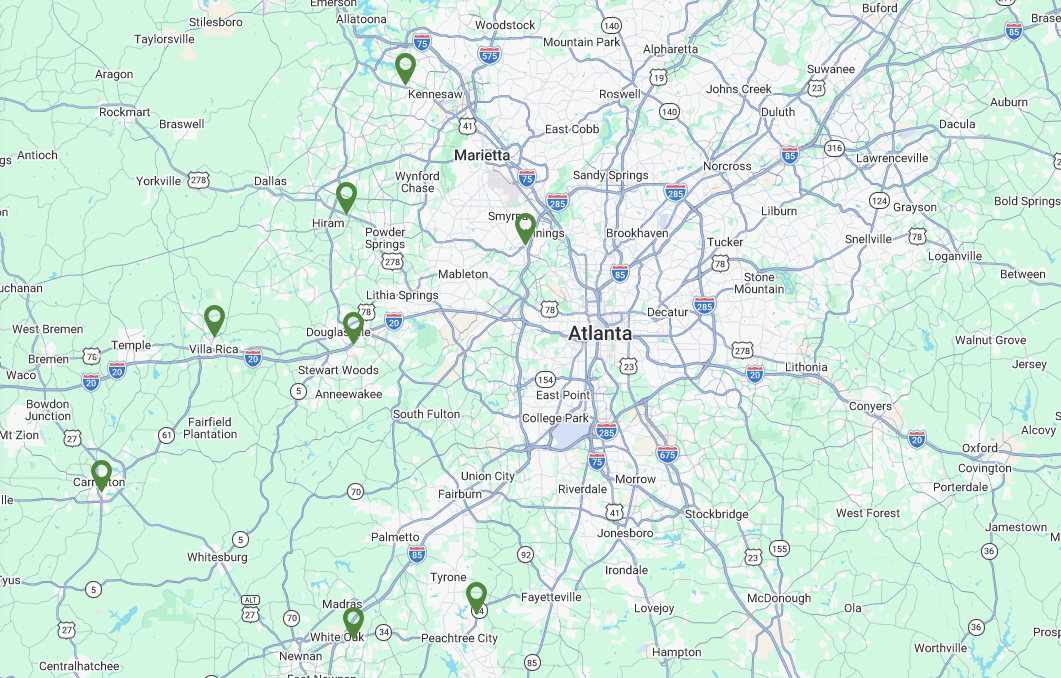
We are an allergy and asthma medical practice that specializes in providing exceptional healthcare to patients suffering from asthma, allergies, sinus problems, and related pulmonary conditions. Our award-winning allergists provide customized, comprehensive treatment and preventative care from nine different locations throughout Georgia and the Atlanta area. We partner with local hospitals to ensure those in the community have access to comprehensive, specialized care for their specific needs.
Highly Trained, Board-Certified Specialists
Every single one of our allergists is a board-certified specialist in Allergy and Immunology. This means that after medical school, and after three years of residency in pediatrics or internal medicine, our allergy doctors underwent two more years of focused training. Our team of experts is exceptionally qualified and devoted to helping patients live life to the fullest, free of allergy and asthma symptoms!
Convenient Locations in Metro Atlanta
Wherever you are located in the Atlanta metro area, you can find a convenient location near you that offers extended hours and same-day and next-day appointments. Our Atlanta allergists proudly provide medical care to patients in: Carrollton, Villa Rica, Newnan, Smyrna/Vinings, Hiram, Peachtree City/Fayetteville, Acworth/Kennesaw, Griffin, and Douglasville.
Board Certified Allergists Now Offering Same-Day & Next-Day Appointments!
Our board certified specialists diagnose and treat the full spectrum of allergic and asthmatic conditions including:
Our state-of-the-art testing and services include allergy skin testing and blood tests, allergy immunotherapy (shots, drops or tablets), biologic therapies, spirometry, anaphylaxis action plans, asthma care plans, penicillin allergy testing, insect venom immunotherapy, and more.
Pollen Count in the Atlanta Area
You can find relief from a pollen allergy by checking daily pollen counts so you can avoid unnecessary exposure. Knowing the current pollen count (the amount of pollen in the air) and what to do to limit contact with pollen can help mitigate your symptoms.
